Where to go, and when to go.
Pick a month, check the sea, or find somewhere cooler. The articles explain the seasons; the destination pages show the next two weeks.
Sea temperature and swimming
Warm air does not always mean warm water. Start with the sea.
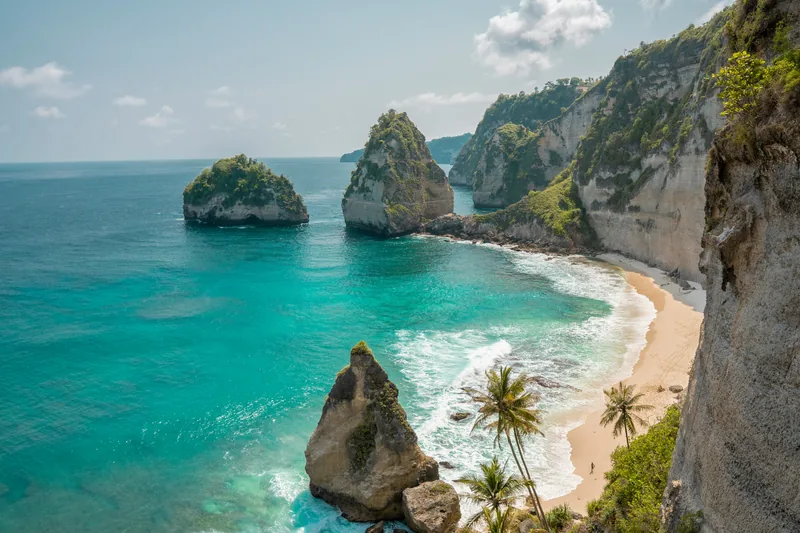
Mediterranean sea temperature, month by month.
The month matters. So does the coast. A sourced guide to the swimming year, without pretending that Mallorca, Málaga and Cyprus share one water temperature.
4 min read
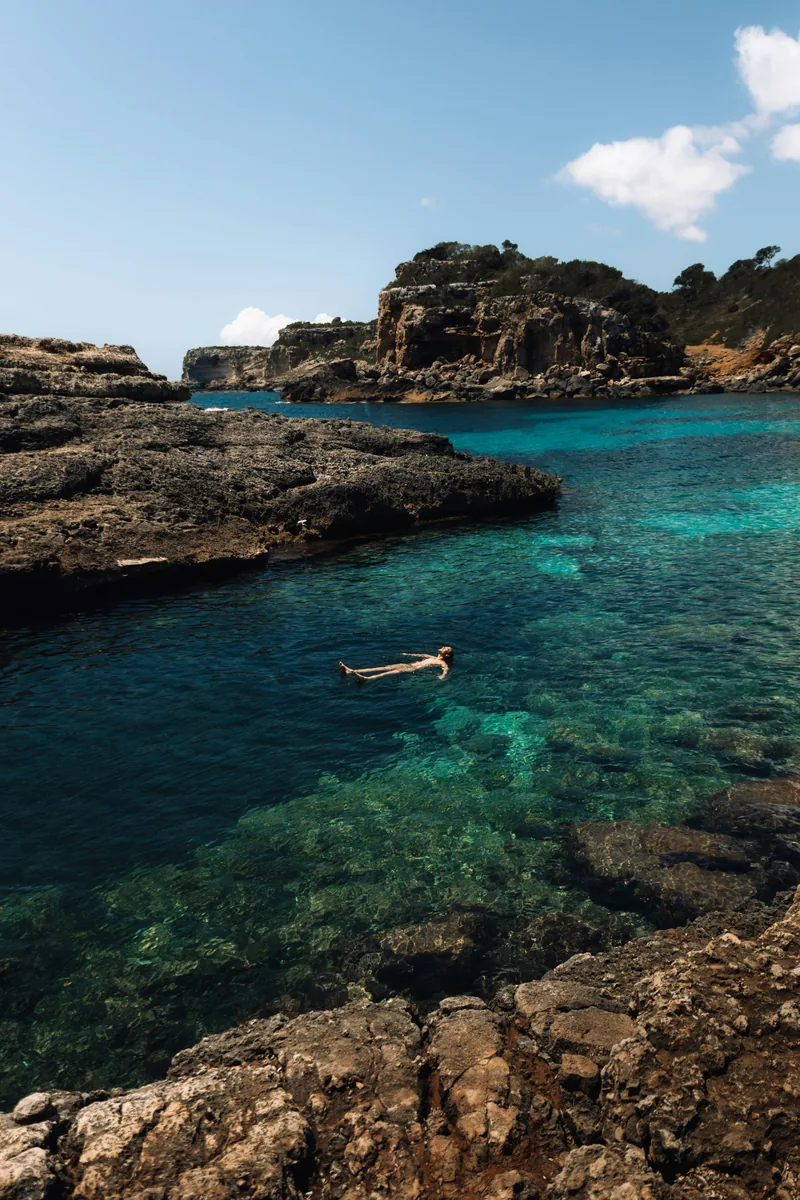
When does the Mediterranean get warm enough to swim?
June is a better starting point than May if warmer seawater matters. But there is no basin-wide opening day, and a month's median cannot tell you the temperature on your arrival date.
4 min read
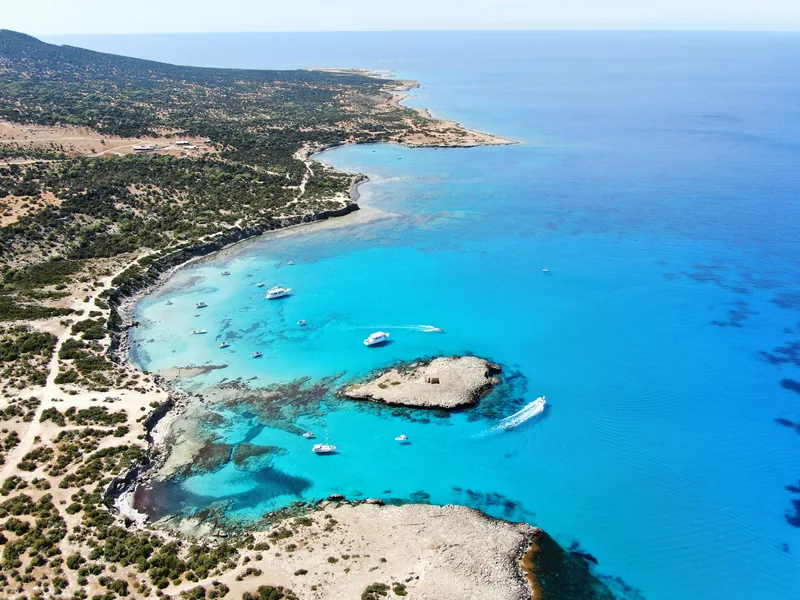
Where is the warmest sea in Europe?
Start with Cyprus and southern Turkey for a late-summer swimming holiday. In winter, look at the Canaries. The useful answer changes with your travel dates.
4 min read
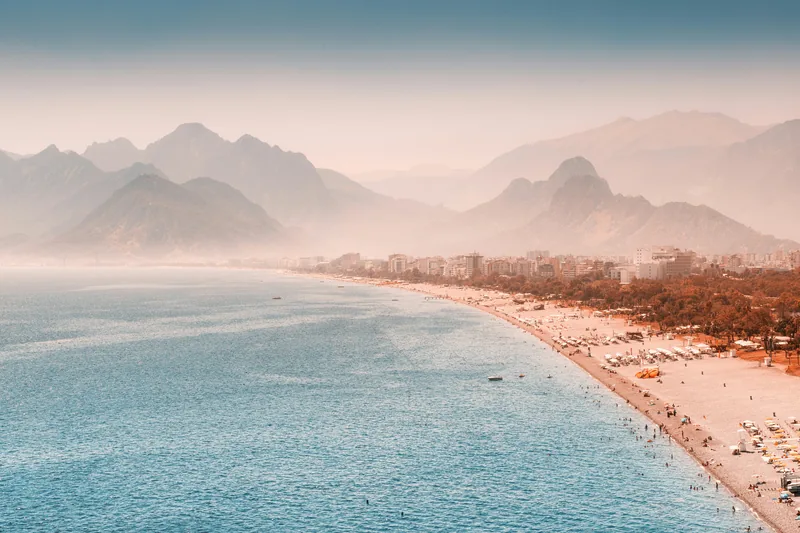
Where is the sea warmest in Europe in winter?
Around the Canaries, at roughly 19–21°C from December to March. Madeira runs about a degree cooler and the western Mediterranean far cooler. None of it is tropical water, and the month still matters.
4 min read
Winter sun and winter dark
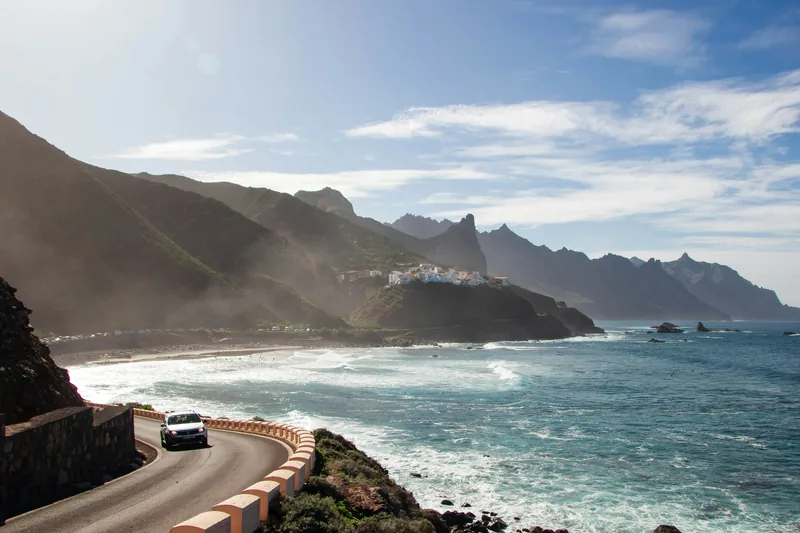
Where it is genuinely warm from November to March, and what to do with the dark instead.
Best winter sun destinations: where it's genuinely warm.
Ten winter sun destinations for European travellers, sorted into the two kinds that matter: mild sunshine within five hours, and warm water from five hours out. Plus the three places that disappoint every December.
6 min read
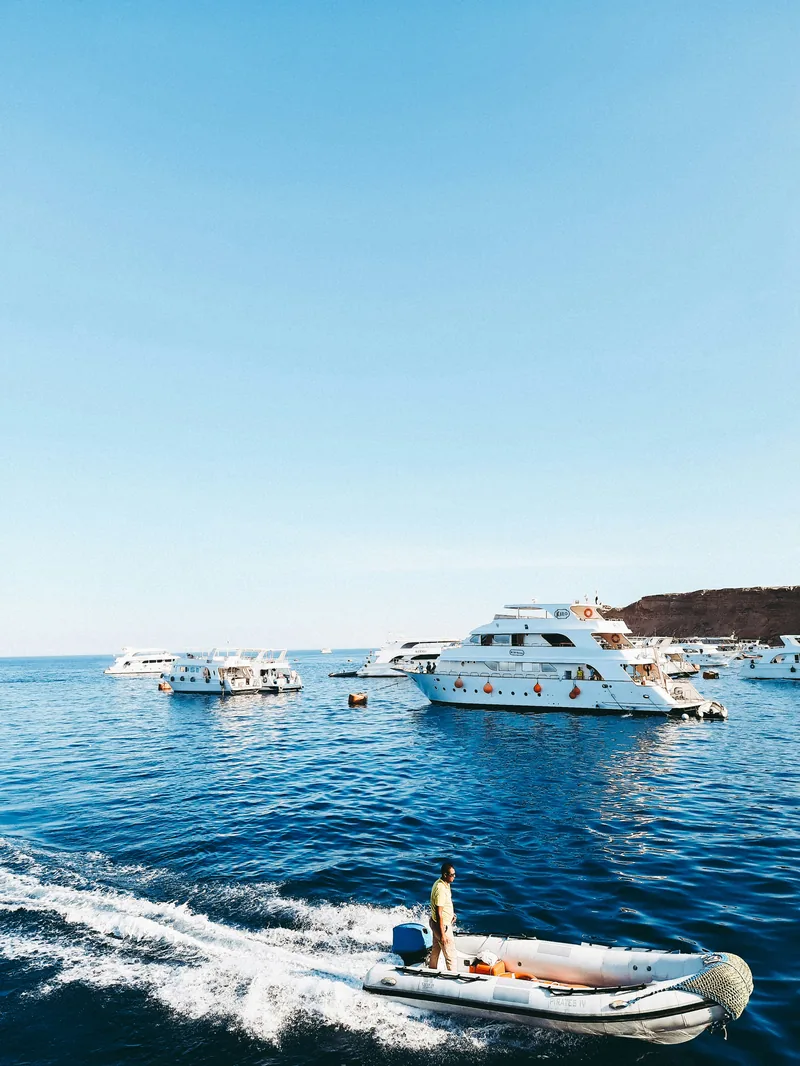
Are the Canaries warm in winter? The full answer.
Yes: 21–22°C and sunny — Europe's most reliable winter warmth, by a distance. Also no: it's not summer-hot, the sea is 19–21°C, the north coasts are cloudier, and evenings want a jumper. Everything the brochures round up, unrounded.
4 min read
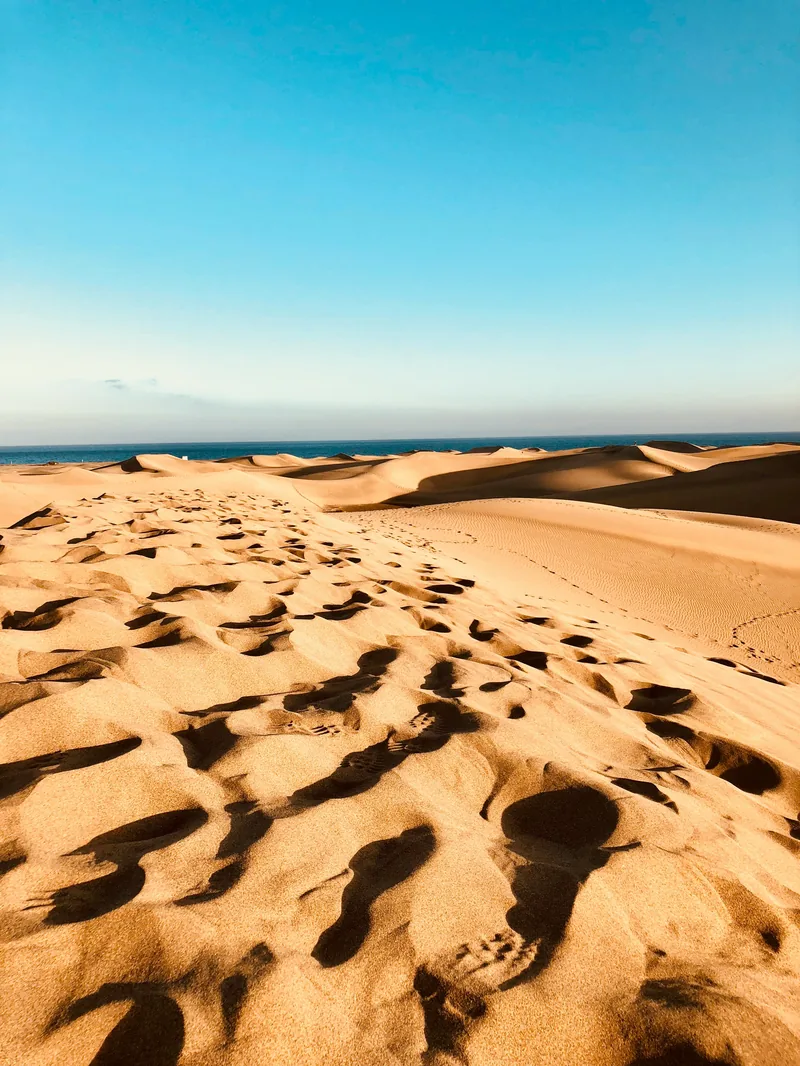
Canary Islands weather, month by month.
Highs, lows, sunshine, rain and the sea for Tenerife South, Gran Canaria, Lanzarote and Fuerteventura, from AEMET's 1991–2020 normals and NOAA's sea record. The islands differ less from each other than the north and south of any one of them.
8 min read
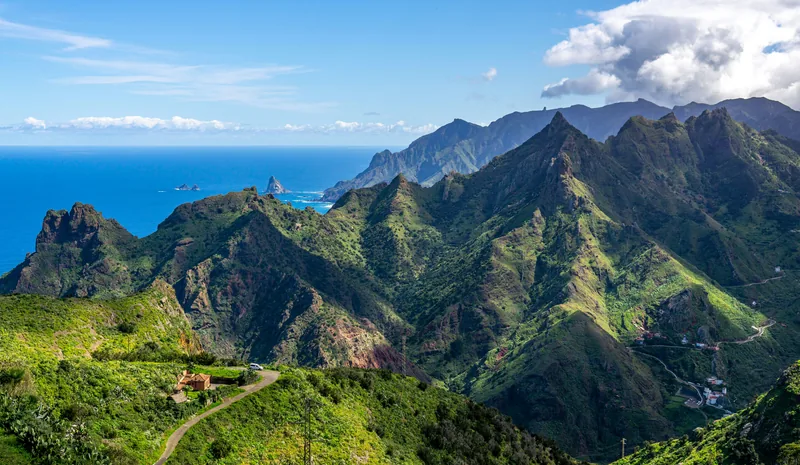
Sunny Christmas getaways: where it's genuinely warm.
Where Christmas is genuinely warm, by flight time: the Canaries' pleasant-not-hot 22–24°C, the Red Sea's 24°C water, Dubai's dry 26, and the long-haul tier where real heat lives. Plus the honest notes on crowds and short days.
5 min read
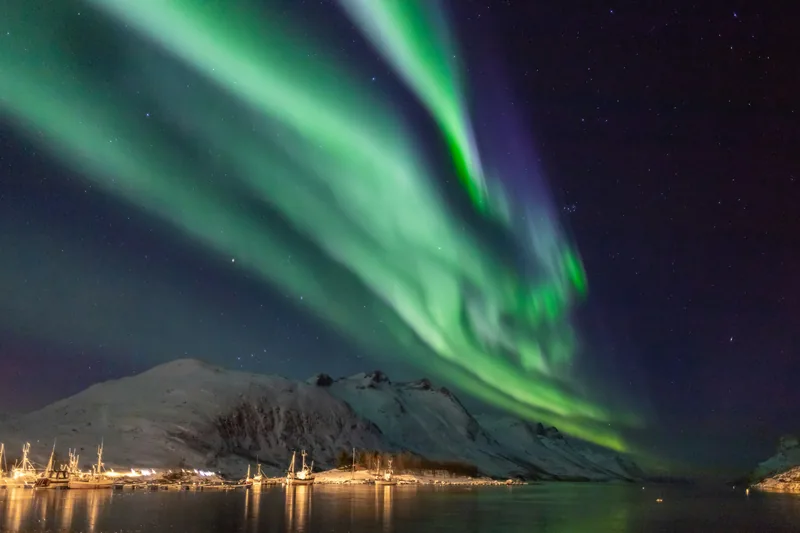
Northern lights in Tromsø: the honest odds.
Tromsø sits under the auroral zone, so the lights are up there far more often than anyone sees them. What decides your trip is darkness and cloud. The season, the drier valleys inland, what a chase costs and the myths, number by number.
9 min read
Summer heat
For the weeks when the Mediterranean is too hot: cooler places, the 25°C middle ground, and how to cope if you are already booked.
Where is it cool in Europe right now? The shade list.
The places where a July afternoon averages 15–24°C while the south burns: the Norwegian coast, the Atlantic islands, the Nordic cities, Ireland and one Alpine village. With the trade-offs stated plainly.
6 min read
Hot, but not too hot: Europe's summer sweet spot.
Between the 40°C inland south and the 15°C Arctic summer sits a band of coast where July afternoons average 23–29°C and the sea is swimmable. It's mostly Atlantic, and the ocean's cap is strong but not absolute. Here's the map.
4 min read
A heatwave is forecast for your holiday. What now?
Should you cancel, rebook or restructure? How solid the forecast really is, who is at higher risk, what insurance will and won't do, and the daily rhythm that saves most trips.
5 min read
Weather explained
The seasonal winds, dust and storms that decide whether a trip works.
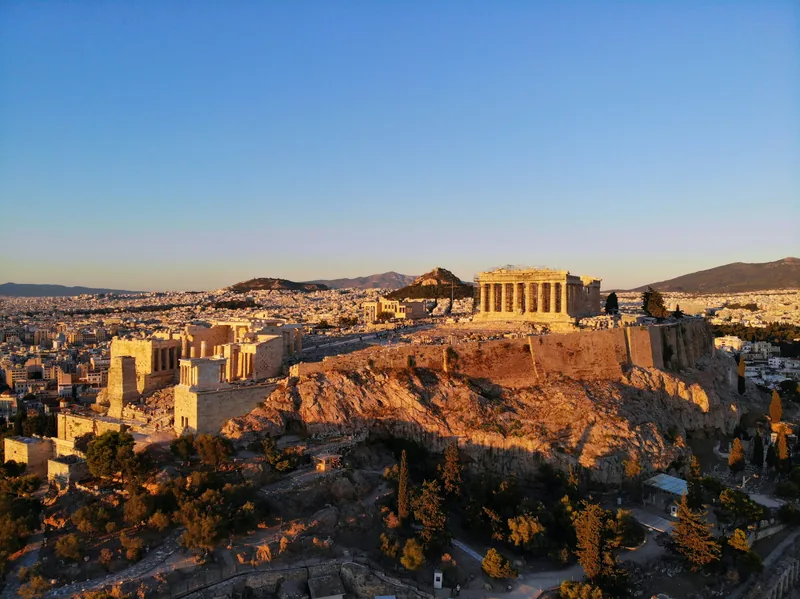
The meltemi, explained.
The dry northerly that defines Aegean summers: when it blows, why it grounds the ferries you are counting on, which beaches it punishes and which it spares — and how to plan July or August in Greece around it.
4 min read
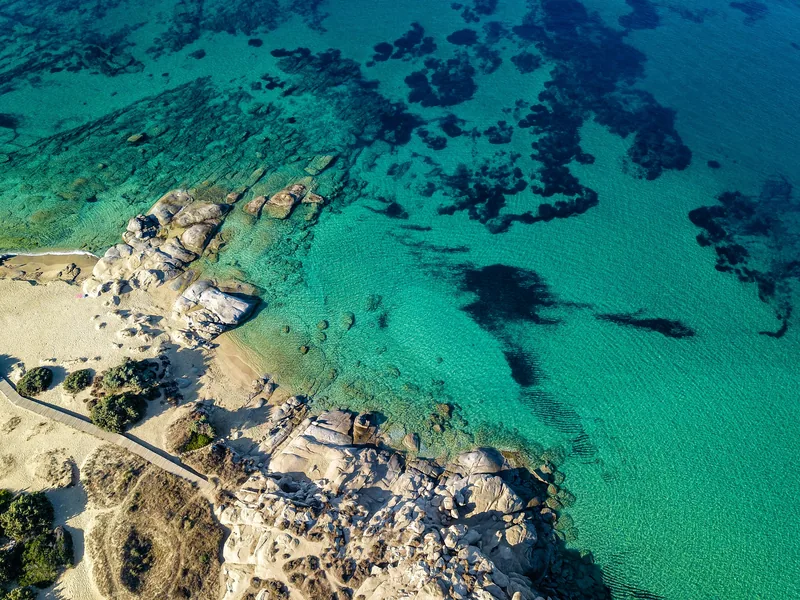
The calima, explained.
Around eleven times a year the Canaries go sepia: Saharan dust rides an east wind across the islands, the horizon disappears and the heat often rises. What a calima is, how long it lasts, who should take care and how to holiday through one.
4 min read
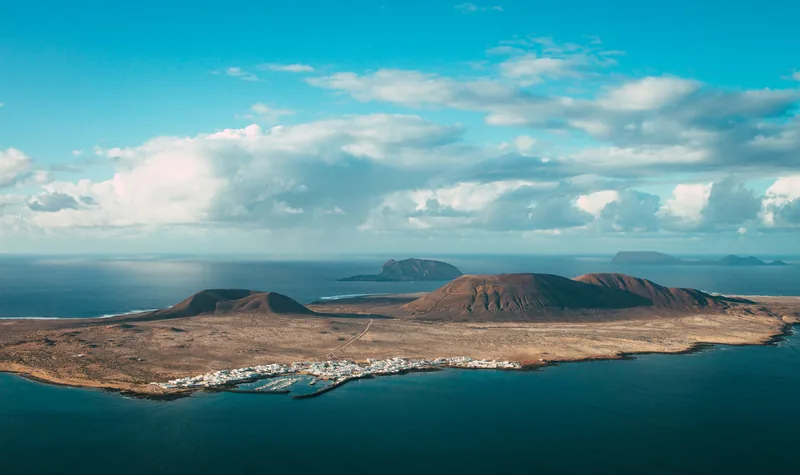
Thailand's monsoon: two coasts, opposite seasons.
The planning fact most first-timers miss: Phuket and Koh Samui sit on different seas with near-opposite rainy seasons. How the two monsoons work, which coast suits which month, and what 'rainy season' really feels like.
4 min read
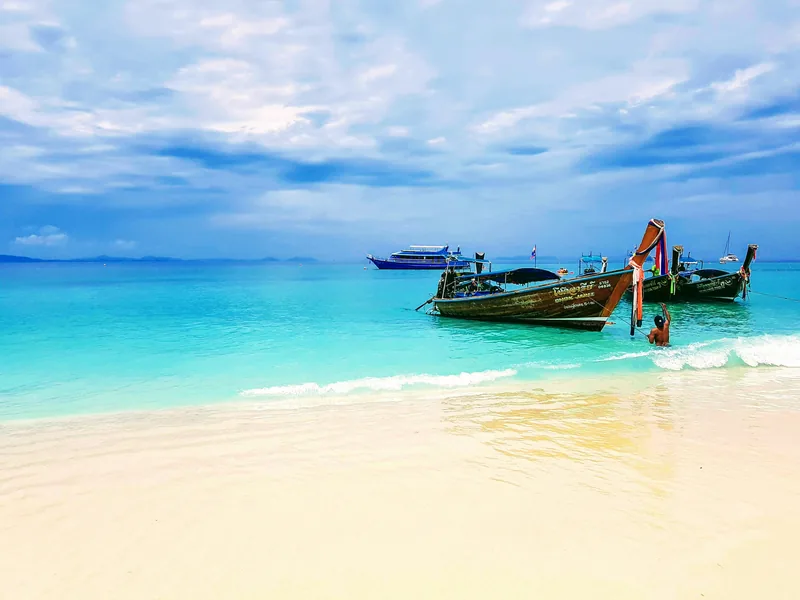
Caribbean hurricane season, explained.
June to November on paper, mid-August to mid-October in practice. What the season means for a holiday week, which islands sit at the edge of the belt, what to check in your travel insurance, and when to point the trip somewhere else.
4 min read
Practical
The things we wish someone had told us before going.