The best snorkelling short of a long-haul flight.
The honest hierarchy first: the Red Sea, five hours out, plays in a different league — house-reef walls straight off the jetty. Then the Mediterranean's clear-but-quieter best: Comino, Milos, Cyprus, the Ionian coves.
Snorkelling guides love to oversell the Mediterranean, so let's open with the honest hierarchy instead. The Red Sea, five hours from Northern Europe, is the genuine article: living coral walls, clouds of reef fish, turtles on the house reef before breakfast — tropical-grade snorkelling at short-haul-plus-one prices. The Mediterranean is a different product: gin-clear water over rock, seagrass and octopus territory — beautiful swimming with wildlife as a bonus, not a guarantee. Both are worth planning around; confusing them is how people come home calling Greek snorkelling "empty".
The league of its own: the Red Sea
The house-reef rule from our Hurghada guide is the whole game: pick a hotel whose jetty ends on a reef wall and every swim of the week is an aquarium visit — no boat, no schedule, no extra cost. Sharm's Ras Um Sid and Sharks Bay drop straight off the shore into ten-metre visibility; Ras Mohammed's snorkel-from-the-boat day (€45–70) puts you over the basin's richest walls with a mask as the only qualification. For non-divers wanting the underwater holiday, nothing within eight flight-hours competes — in winter, nothing at any range nearer than the tropics does.
The Mediterranean's honest best
What the Med offers a mask: visibility the tropics would envy (15–30 m on limestone coasts), octopus, bream, the occasional barracuda school — and water that peaks at 24–26°C from July to September, which is when all of the below are at their best.
- Comino's Crystal Lagoon, Malta — the clearest water in the basin over white sand and rock arches; go via the first boat or kayak, and snorkel the Santa Marija caves' fringes while the lagoon crowd queues next door. Malta's limestone coast generally (St Peter's Pool, the Blue Grotto fringes) is mask country end to end.
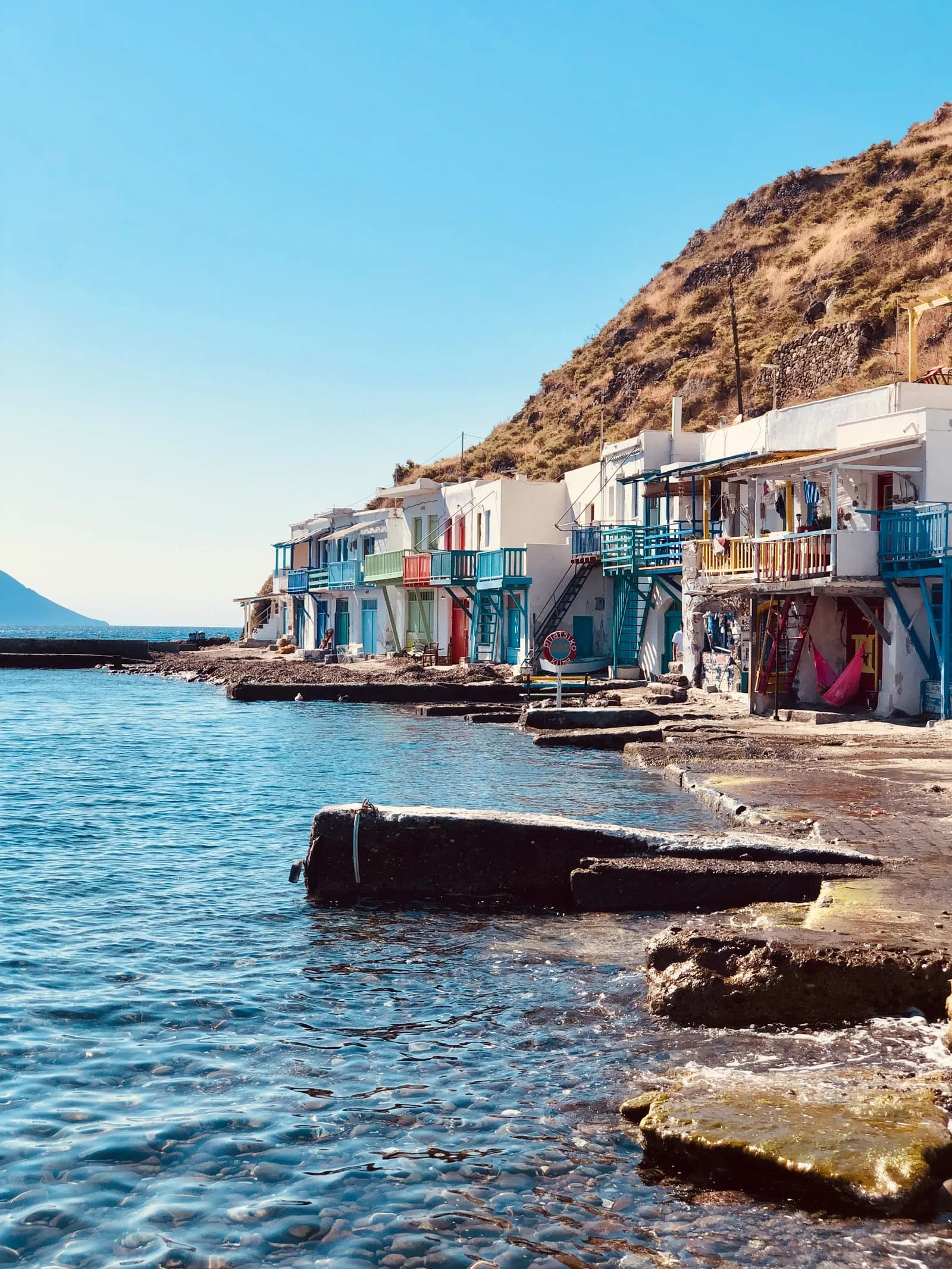
- Milos — the Kleftiko boat day doubles as the Aegean's best snorkel: swim-through caves, white-rock bottoms lighting the water from below, fish sheltering where the monk seals occasionally patrol. Papafragas and the syrmata coves continue it from shore.
- Cyprus — Konnos Bay and the Cape Greco sea caves on the east, the Akamas' Blue Lagoon on the west: the basin's warmest, longest-season snorkelling (the warmest-sea piece explains why November still works here).
- The Ionian coves — Paxos, Antipaxos and the Zakynthos caves run the Greek west's clearest blues; boat days from Corfu make them effortless.
- Menorca's protected north — the biosphere reserve's calas (Pregonda, the Fornells reefs) hold the Balearics' richest shallows.
The technique that triples any of it
Mediterranean snorkelling rewards method where the Red Sea rewards mere presence: work the rock edges, not the open sand (life clusters at structure); go at 09:00 (calm water, hunting octopus still out, boat wakes asleep); float still — the Med's shy fauna returns to a motionless snorkeller within two minutes and flees a kicking one forever; and mind the seagrass meadows (posidonia is the nursery — and in Ibiza-Formentera waters, the reason the water is that colour at all). A €25 mask-and-fins set from any coastal supermarket outperforms the hotel's loaners; pack it and every swim upgrades.
The one-line verdict
Underwater-first holiday → Hurghada or Sharm, house reef confirmed before booking. Mediterranean holiday with the best mask-hours attached → Malta or Milos in July–September, Cyprus stretching to November. And anywhere at all: the rocks at the end of your beach, at nine in the morning, beat the famous lagoon at noon.