Where to learn to dive, ranked honestly.
A four-day Open Water course costs €300 in the Red Sea, €350 in Thailand and €500 in the Mediterranean — and price isn't the only gap. Where learning is cheapest, where conditions are kindest, and how to vet the school.
Learning to dive is one of those purchases where geography moves the price by half and the quality not at all — the certification card from a €300 Hurghada course and a €500 Mallorca one is identical, and the fish disagree about which classroom is better in the cheap one's favour. The standard product is the PADI or SSI Open Water course: three to four days, theory plus pool plus four open-water dives, certifying you to 18 metres worldwide. Here's where to take it, ranked by the honest combination of price, conditions and what you'll see.
1. The Red Sea — the value champion
Hurghada at €250–320 is the cheapest serious learn-to-dive water on the planet, and the conditions explain the confidence: 22–28°C water year-round, negligible current on the teaching reefs, ten-metre-plus visibility as the norm — and house reefs where your first-ever fin strokes happen over coral gardens rather than car-park sand. Sharm at €280–350 adds steeper, richer reefs for the post-course dives. Between them: Hurghada to learn, Sharm to celebrate. Winter courses come with the warmest short-haul water as a bonus.
2. Thailand — the social version
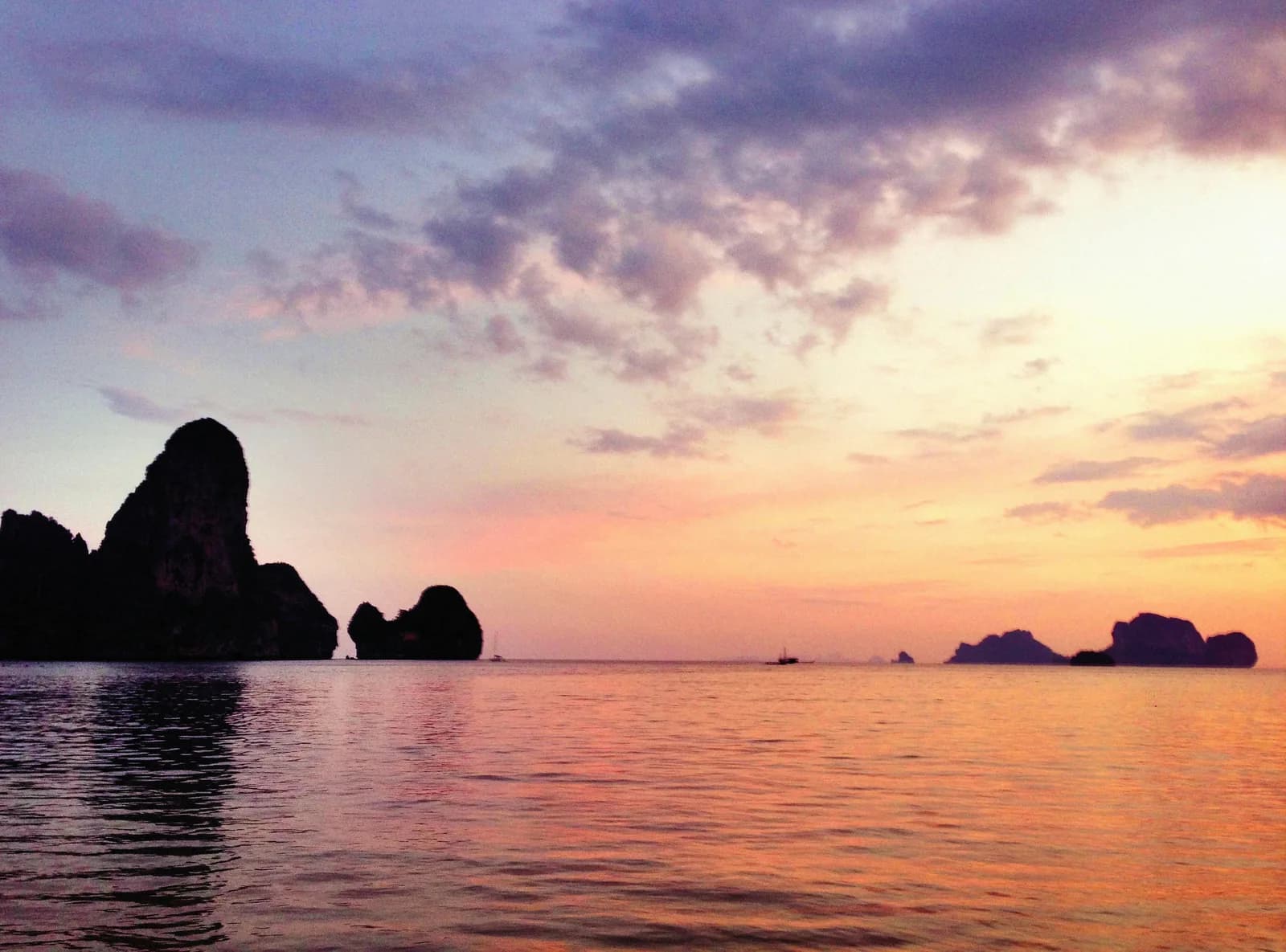
Krabi and Phuket at €300–380 (and Koh Tao cheaper still, with the backpacker-academy atmosphere that built its name) teach in 28°C Andaman water among the karst towers — the world's most scenic classroom, November to April only (the monsoon explainer settles the calendar). The trade against Egypt: marginally pricier, reef life a notch less dense at the teaching sites, dorm-to-dive-deck social life that Egypt's resort compounds can't match. For solo travellers, often the better holiday around the course.
3. The Mediterranean — convenient, costlier
Malta at €400–500 is Europe's teaching capital: limestone visibility, sheltered bays for every wind, wreck culture for the follow-up dives — and English-language instruction as the default. Mallorca, the Costa Brava and Cyprus (whose Zenobia wreck is the continent's best dive, full stop) run similar money. You pay €150 extra for short flights and EU consumer comfort; the fish are sparser and the water's 18–24°C by season. The rational pick when the dive course shares a holiday that was happening anyway.
4. The long-haul finishing schools
Zanzibar (Mnemba's turtles, €350–450) and the Caribbean teach beautifully at long-haul prices — book them as destination courses, not value ones. The Maldives is for diving after certification; learning there wastes paradise on pool drills.
How to vet a school, anywhere
Five checks that outrank price: small ratios (four students per instructor maximum — ask, don't assume); the agency licence visible (PADI/SSI five-star status, and in Egypt the CDWS registration); course dives on reef, not rubble (ask exactly where the four open-water dives happen); no same-day medical surprises (the questionnaire comes before you pay — asthma and some medications need a doctor's sign-off); and reviews that mention instructors by name — the single most reliable signal in the genre. Established multi-decade operations (Hurghada's Colona and Orca, Naama Bay's Camel Dive Club) exist in every hub; intro "Discover Scuba" half-days (€60–90, bookable ahead) let the undecided test the whole idea for the price of a nice dinner before committing to the course.
The honest closing argument: certification is a lifetime asset bought once. Buy it where the water teaches for free — the Red Sea in any month, the Andaman in winter — and spend the European premium you saved on the next trip's diving instead.