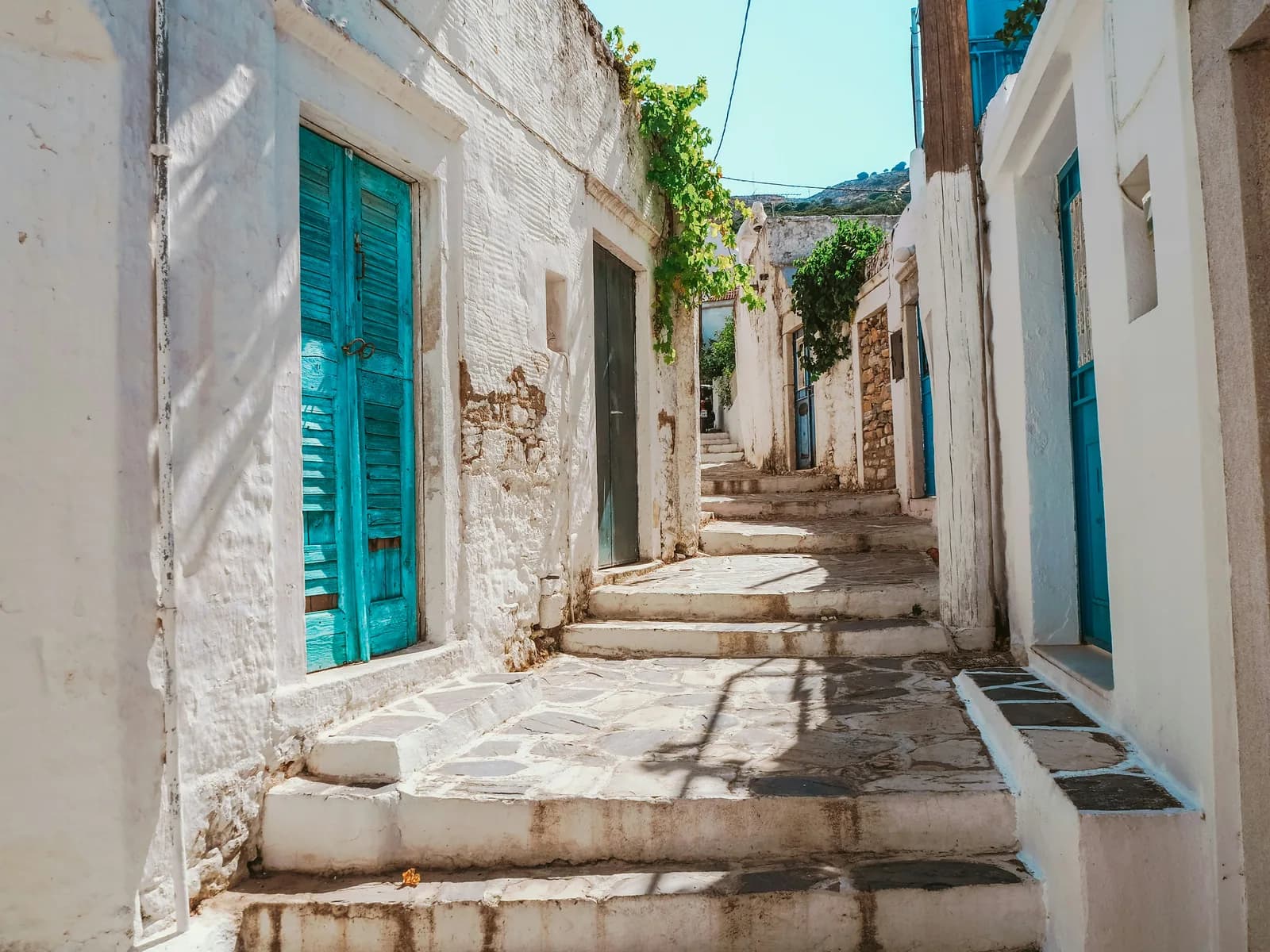
Which Greek island? The honest decision tree.
Two hundred inhabited islands, one booking. The shortcut: decide what you're optimising for — food, beaches, views, nightlife, history, quiet — and the island picks itself. Here's the tree, with the trade-offs stated.
"Which Greek island?" is really six different questions wearing one, and the fastest route to the right answer is deciding what you're actually optimising for. Greece has roughly two hundred inhabited islands; the eight below cover the genuine decision space for a first or fifth visit, each with its trade-off stated plainly. One calendar rule applies to all of them before we start: June and September beat July and August on heat, crowds, ferries and price — the month guides make the case, and the meltemi explainer covers the summer wind that shapes Aegean plans.
If you want everything (and the best food): Crete
Crete is the only island that's a small country: Minoan palaces, Venetian harbours, serious mountains, the longest season in Greece and — said without hedging — the country's best food culture. It absorbs a two-week trip without repeating itself. The trade-off: it's big; you'll drive, and the postcard-Cycladic whitewash look lives elsewhere.
If you want beaches, value and ease: Naxos
Naxos is the regulars' answer and our default recommendation: the Cyclades' best long sandy beaches, a real agricultural interior (food prices a third of its famous neighbours), mountain villages, and the look the brochures promise — at roughly a third of Mykonos and half of Santorini. Trade-off: fewer direct international flights (Athens hop or ferry), which is exactly what keeps it sane.
If you want the view: Santorini — with the trick
The caldera is real and worth one visit in a lifetime. Book it with the Imerovigli trick — same sunset, 30–40% cheaper, quieter — and read the full guide on timing. Trade-offs, honestly: the island runs on day-tripper crowds, the beaches are volcanic afterthoughts, and you pay view-tax on everything. Couples and photographers leave happy; beach families pick again.
If you want the scene: Mykonos, priced plainly
Mykonos does the Mediterranean's most concentrated beach-club glamour, and our guide prices it without flinching (€100–300 sunbed pairs, €20 cocktails). Go in September, anchor the trip with Delos, budget like it's a city break in Monaco. If you read that sentence twice, the answer is Naxos or Paros.
If you want balance: Paros
Paros splits the difference between all of the above: Naoussa's little-Venice evenings, proper beaches, a ferry-hub position that makes island-hopping effortless — the best all-rounder for groups who can't agree. Trade-off: it's on the Mykonos price-trajectory; go soon.
If you want geology and photographs: Milos
Milos has the strangest, most beautiful coastline in the Aegean — seventy beaches, no two alike, the Kleftiko boat day, Sarakiniko's moonscape. Trade-off: thinner nightlife and dirt roads to the best coves, which is precisely the filter that keeps it special.
If you want history with a beach attached: Rhodes
Rhodes pairs Europe's largest living medieval town with a proper two-coast beach island and the longest direct-flight list in the Aegean. The all-purpose family pick. Trade-off: peak-season heat and crowds at the famous sights — the guide's timing rules matter here more than anywhere.
If you want quiet: Folegandros
No guide yet, said honestly — but Folegandros is the connoisseurs' Cyclade: a clifftop chora, a handful of beaches, nothing to do after dinner except the thing you came for. The trade-off is the point.
The pairing logic
Most trips improve with two islands, not four: Naxos + Paros (30 minutes apart) for the balanced week; Santorini + Naxos for views-then-beaches; Mykonos + Delos + Paros for scene-then-recovery; Rhodes + Symi for history with a fjord-harbour day trip. The ferry guide covers the mechanics — and the one rule worth repeating: never schedule a ferry the day before a flight in meltemi season.