New Year in the sun: the midnight-outside test.
One filter sorts every New Year destination: can you stand outside at midnight in shirtsleeves? Funchal's Atlantic fireworks, Dubai's Burj spectacle, the Caribbean's 24°C midnight — and the honest tier where you'll want a jacket.
New Year travel has a sharper test than Christmas travel: midnight happens outdoors. Fireworks, harbour crowds, champagne on a terrace — the whole event lives outside, at the coldest hour, in the depths of the northern winter. So the question isn't "is it sunny there in winter" (the December and January guides cover the daylight); it's what's the temperature at midnight on the 31st — and the answers sort the map fast.
Passes in shirtsleeves: the warm-midnight tier
- The Caribbean — Barbados and Punta Cana hold about 24°C at midnight, trade-wind soft. Beach parties, steel bands, the sea at 27°C if the countdown ends with a swim. The tropical New Year as imagined.
- Thailand — Phuket's beach countdowns and lantern-strewn sand run at 25°C, peak dry season. Book the famous beach-bar tables weeks out.
- Zanzibar — 26°C at midnight, full-moon parties at the northern beaches when the calendar cooperates.
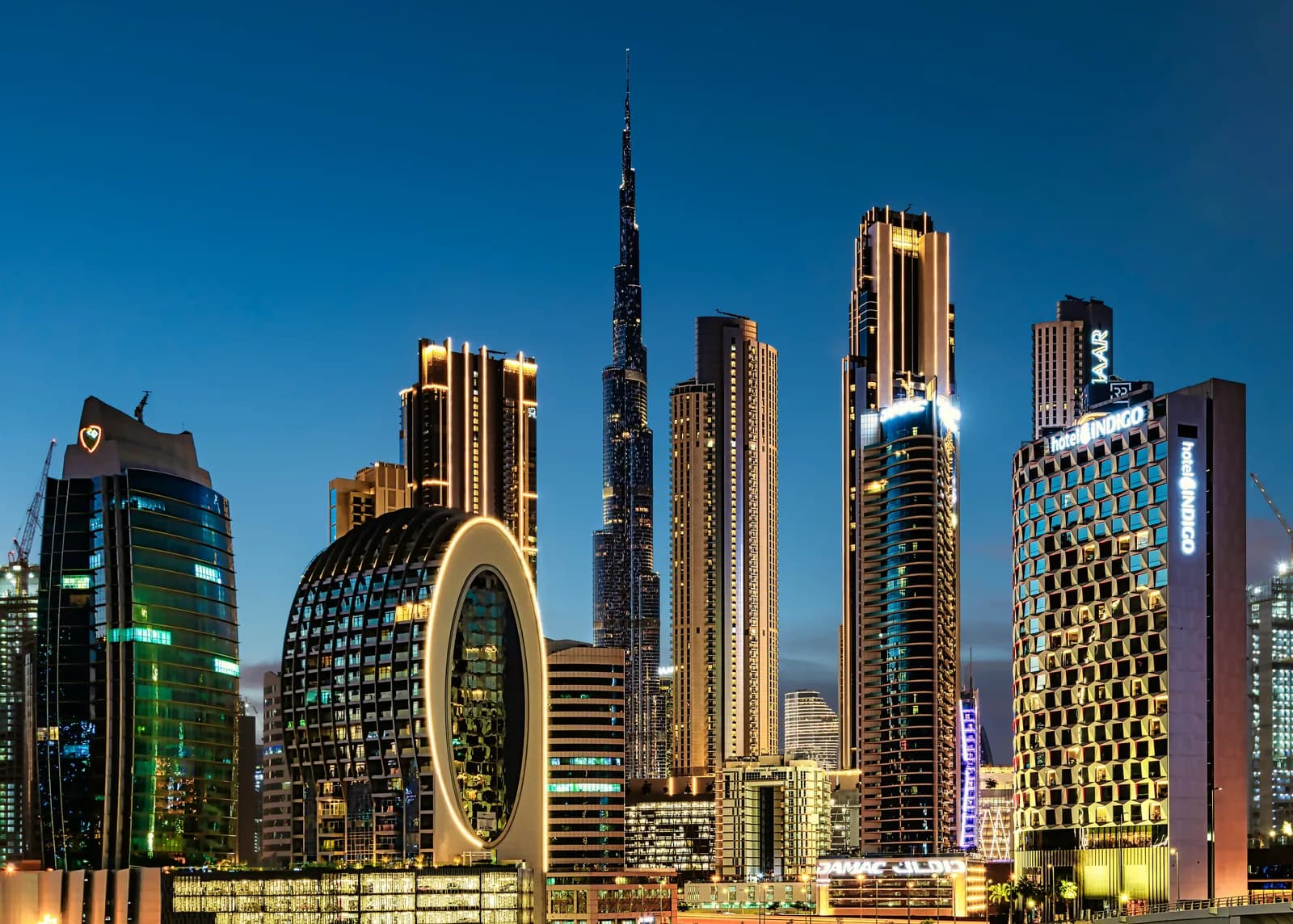
- Dubai — 18–19°C at midnight, comfortably terrace-grade, and the Burj Khalifa fireworks-and-light show is one of the planet's great municipal spectacles. Claim viewing ground hours early or book a Downtown rooftop dinner in November.
The special case: Funchal
Madeira at New Year is a category of its own. Funchal's amphitheatre bay stages one of the world's largest fireworks displays — the whole hillside city erupts at once, mirrored in the Atlantic, with cruise ships gathered in the harbour mid-show. Midnight runs a mild 17–18°C (light jacket, no suffering), hotels with bay views sell out by early autumn, and the spectacle genuinely earns the planning. For Europeans who want a sense of occasion rather than maximum heat, this is the booking.
Passes with a jacket: the mild-midnight tier
The Canaries — midnight at 16–17°C in Las Palmas or Tenerife, where the Spanish twelve-grapes tradition fills the plazas. Entirely pleasant in a light layer; nobody's swimming at 00:15. Marrakech drops to 8–10°C by midnight — rooftop countdowns happen under blankets and heaters, atmospheric in its own way. The Red Sea (Hurghada, Sharm) is the inversion case: superb at noon, 13–14°C at midnight — the resorts run indoor-outdoor galas accordingly.
The first-week-of-January secret
Whatever you book, know the calendar's kindest trick: prices collapse on 2–3 January. The same Canaries or Red Sea room that cost double through the holidays drops to low season within 48 hours of the fireworks, while the weather doesn't change at all. If your dates flex even slightly, arriving on the 2nd and celebrating New Year at home is the single best value move in the winter-sun year — January's full case is in the January guide.