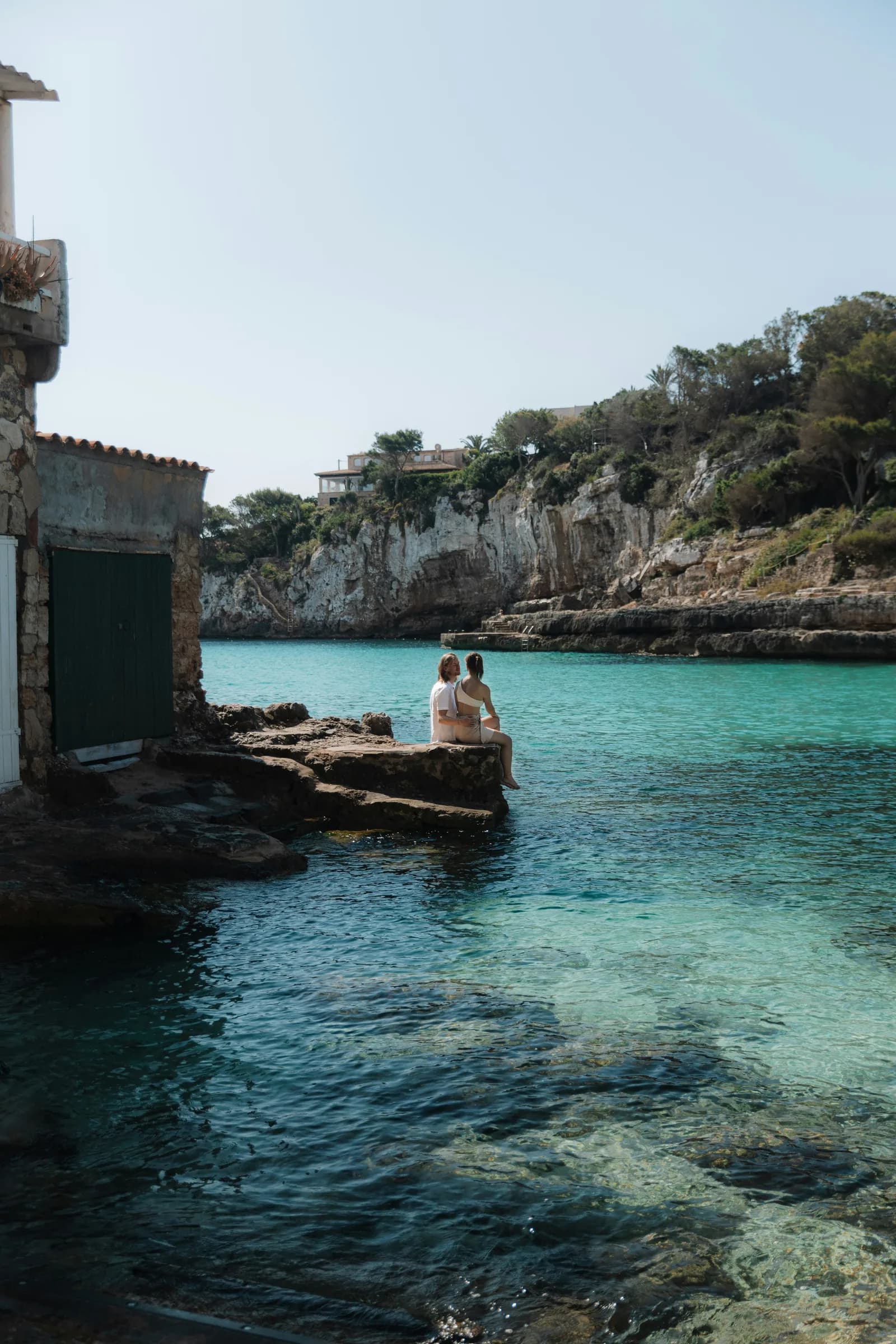
City break with a beach: the honest shortlist.
The double-format trip — museums at ten, swimming at three — only works where the beach is a tram stop, not a transfer. Seven cities ranked by how honestly they deliver both halves, and the months when the format peaks.
The city-break-with-a-beach is the most efficient holiday format there is — culture in the morning, sand in the afternoon, restaurants that exist for residents at night — and the hardest to book honestly, because every coastal city claims it and most are lying about one half. A "beach" forty transfer-minutes away isn't this format; neither is a beach town with a cathedral. The qualifying test: can you walk or tram from the old town to a swimmable beach in under twenty minutes? Seven cities pass with credit. Here they are, both halves graded.
The format's calendar: it peaks in May–June and September–October — warm enough to swim (September's sea being the secret weapon), cool enough to sightsee, and it survives winter better than any other holiday type, because when the sea drops out the city half carries the trip (the long-weekend piece runs that version).
The first division
Málaga — the archetype. City half: forty museums, the Alcazaba-over-Roman-theatre stack, Spain's best tapas-bar density. Beach half: La Malagueta across the park, and the Pedregalejo chiringuitos one bus east for the espeto ritual. The one asterisk: the Alborán's cool water — swim in September, not June.
Palma — the most beautiful city half on the list (the patios, La Seu) with Illetes' pine coves twenty minutes by bus and an entire island behind it. The complete package; priced accordingly in peak.
Las Palmas — the format's quiet champion: Las Canteras is arguably Europe's best urban beach (3 km, reef-calmed, surfable at one end), the Vegueta old town does the culture half with carnival as a bonus season — and it works in January, which nothing else on this list manages.
Valletta — maximum history per square metre (the Caravaggio, the harbours), with the honest note that Malta swims off rocks and lidos rather than sand; the beach half is a ferry-and-bus commitment. City 10/10, beach 6/10, sum still excellent.
The strong seconds
Alicante — Postiguet beach literally below the castle, the barrio's tapas streets, €12 menús: the format at its cheapest, with the tram to seven more beaches as the multiplier. City half lighter than Málaga's; bill lighter still.
Nice — the Riviera's full-dress version: world-class museums, the Cours Saleya market, seven kilometres of promenade. Deductions: the famous beach is pebbles, and July–August prices like the Riviera it is. May, June, September: glorious.
Split — sleeping inside Diocletian's palace with Bačvice beach a ten-minute walk: the Adriatic's entry, peaking June and September, with the islands offshore as the escalation.
The near-misses, honestly
Barcelona fails on self-awareness grounds — the format works mechanically (Barceloneta is right there) but peak-season crowd pressure and Europe's most industrious pickpockets make it a city break with complications. Athens keeps its beaches at tram-plus-walk distance on the Riviera — doable, not effortless; better treated as a city stop before the ferries. Lisbon needs a train to Cascais; lovely, but a transfer is a transfer. The seven above need no asterisks bigger than the ones given — which is the whole format: two holidays, one bed, zero logistics.