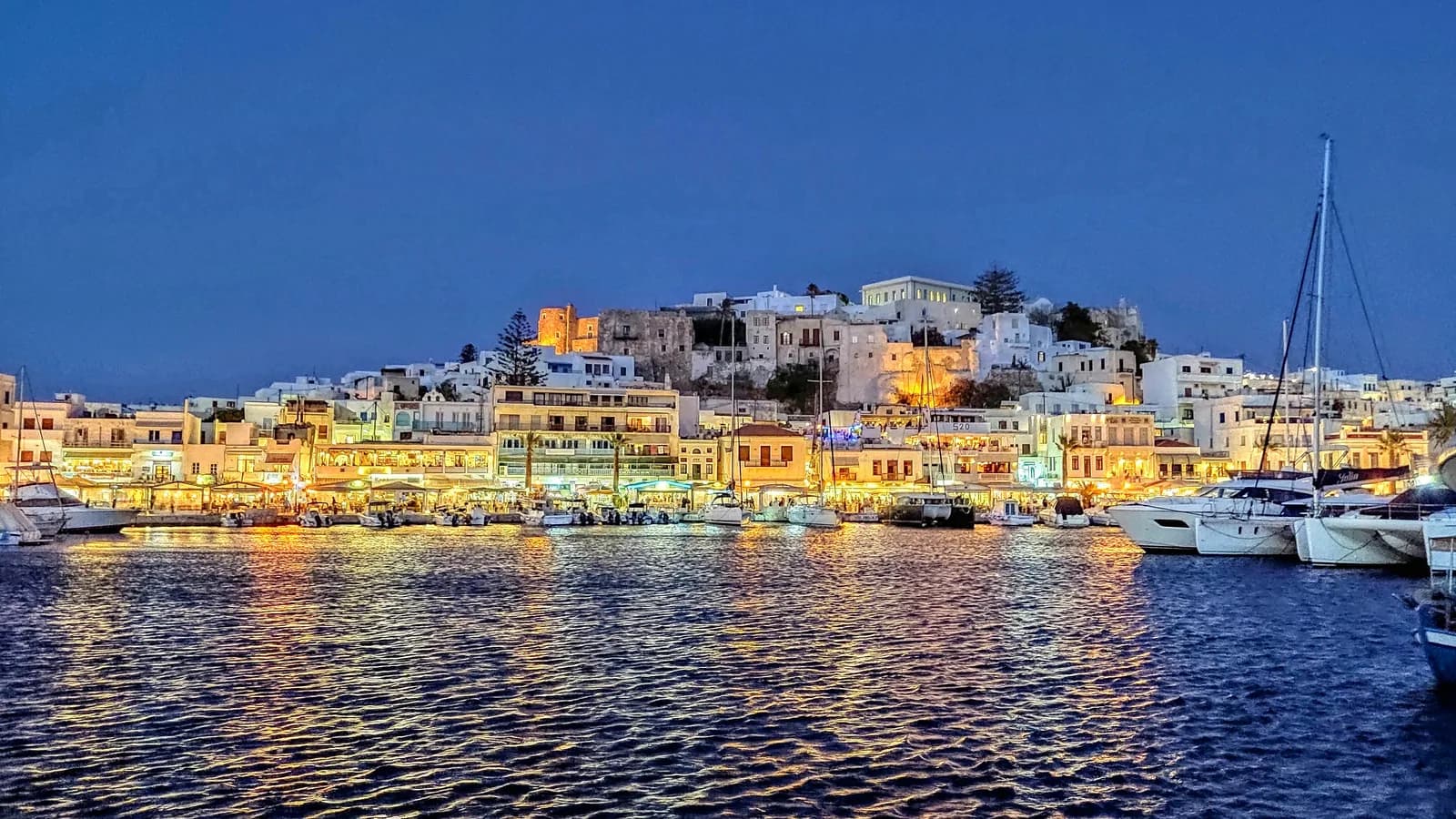
June or September? The shoulder duel, settled.
The Mediterranean's two best months, head to head: June's three-week-longer evenings and green hills against September's warmer sea, falling prices and harvest tables. One number decides it for swimmers.
Ask anyone who books the Mediterranean for a living and they'll name the same two months — then split on which one. June and September flank the furnace with near-identical air temperatures, low rain risk and sane crowds; both demolish July–August on every metric except school-holiday compatibility. But they are not the same month wearing different names, and the differences sort travellers cleanly.
What June wins
The light. June owns the solstice: sunset lands around 21:30 across the basin versus 19:30–20:00 in late September — that's two extra hours of usable evening, every day, for three weeks. Long terrace dinners in daylight, post-dinner swims at golden hour. For light-chasers this argument alone is decisive, and nobody talks about it.
The landscape. June arrives before the summer burns the hills — Greece and the islands still carry green and the last wildflowers, where September inherits three months of straw. Hikers and photographers: June.
The freshness. Pools, beaches, staff and towns at the season's start have an opening-night energy September can't fake. Everything is just-painted, nobody is exhausted, and the year's anticipation sits on your side of the calendar — the holiday happens before the summer instead of mourning it.
What September wins
The sea — and this is the big one. The water's four-to-six-week lag means September swims at 24–26°C against June's 21–23°C. Early June in the Balearics or the Cyclades is honestly brisk (the threshold piece maps it); mid-September everywhere is bathwater July would envy. If the holiday is measured in hours spent in the sea, September wins and the duel is over.
The prices. June climbs week by week toward July; September falls week by week away from August — and late September routinely runs 25–35% under mid-June for identical rooms. The direction of travel also means September surprises are pleasant ones (that upgrade, that empty cove), where late-June surprises are the crowds arriving early.
The table. September is harvest: figs, grapes, tomatoes at their peak, the wine pressing in Santorini and Naxos, the fishing fleets back to full rhythm. June eats well; September eats in season.
The thinning. June's crowds build daily; September's drain daily. By the third week you're sharing the islands with the people who know — couples, retirees, off-peak connoisseurs — and the meltemi has faded where June's is still warming up.
The verdict
Swimmers, families with pre-schoolers, food-led travellers, value-hunters → September. Light-chasers, hikers, photographers, season-opening romantics → June. Genuinely torn → late June (water arriving, light still maximal) or the first September week (sea at peak, prices already sliding). And if you're bound to July–August by school calendars, that's a different conversation — the honest August piece has it.